

A Chapter in Motion: Audi Middle East and the Museum of the Future
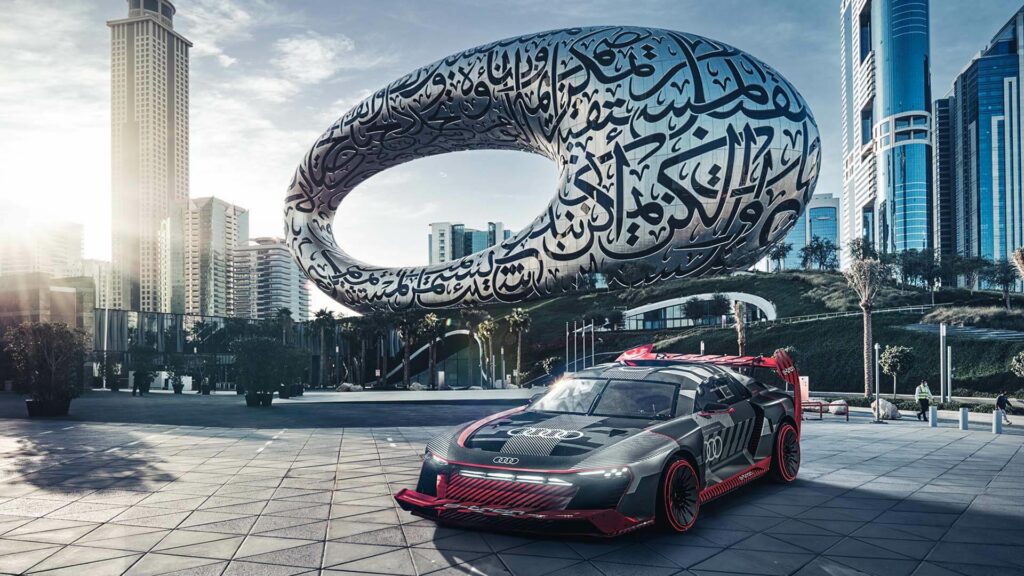
Audi Middle East’s partnership with the Museum of the Future began in early 2023 and concluded in February 2026. Over three years, it settled into a rhythm within the Museum’s programme, returning at intervals with new work and marking a clear progression in how the brand chose to present its future in the region.
Rather than a single installation, the partnership unfolded in chapters.
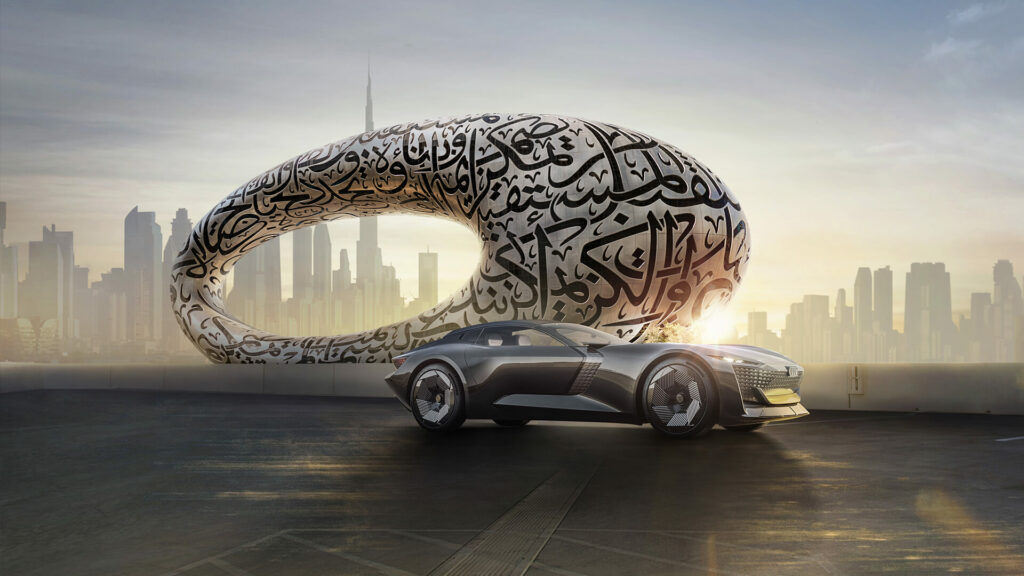
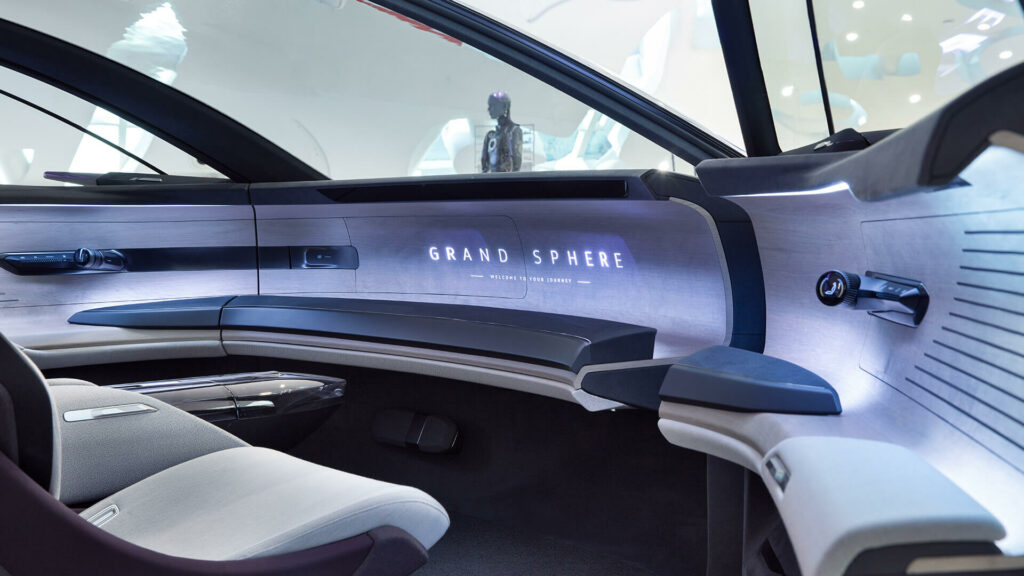
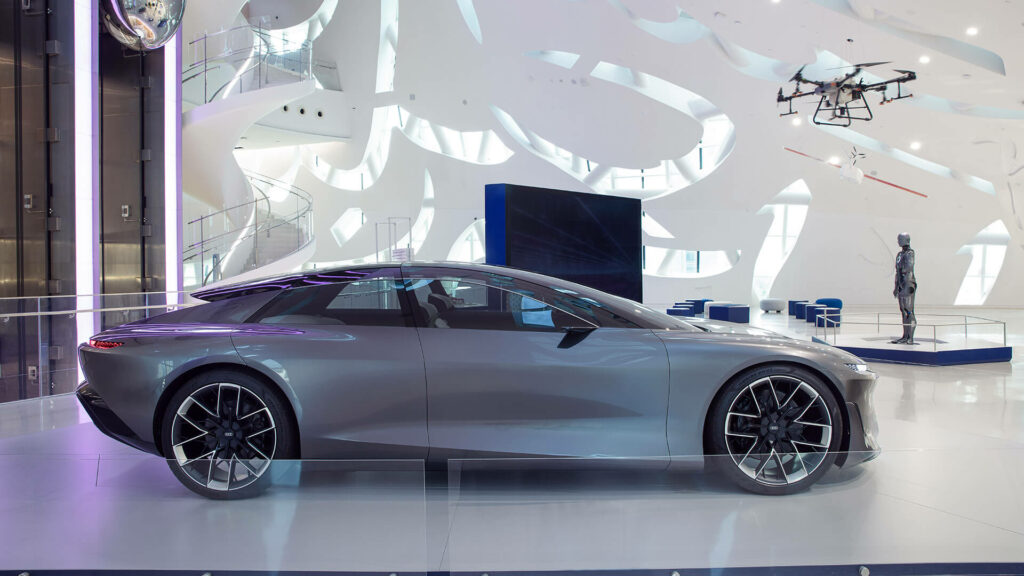
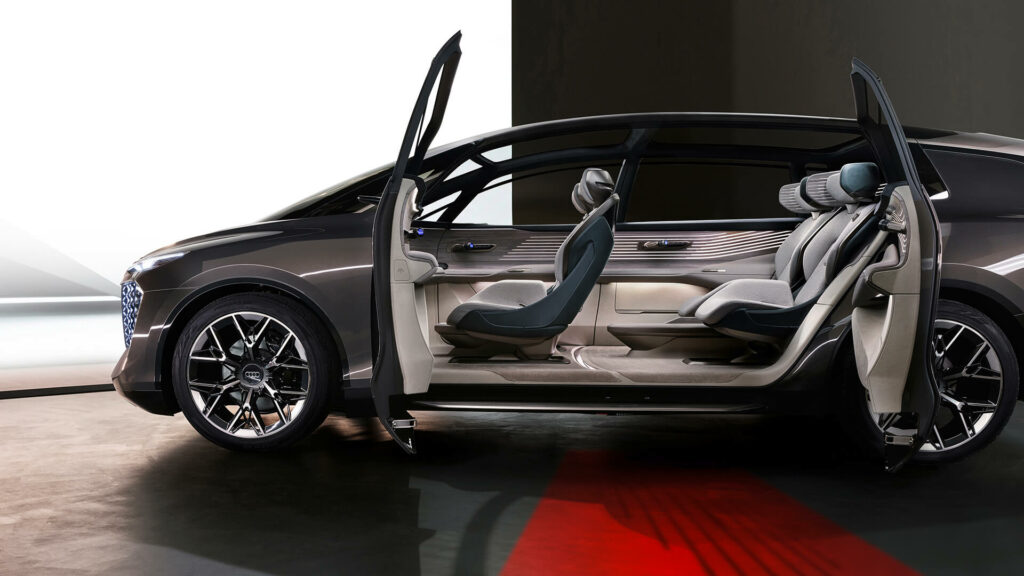
Early on, Audi Middle East introduced a series of concept vehicles that set the tone for what would follow. The skysphere appeared first, defined by its ability to shift between driving modes and alter its own proportions. The grandsphere followed, removing the idea of a traditional cockpit altogether and replacing it with an interior shaped around space and stillness. The urbansphere extended that thinking into the city, designed around how people move, wait, and spend time in dense urban environments.
These were not presented as a fixed collection. They arrived over time, each occupying the space on its own terms, allowing visitors to encounter them individually rather than as part of a single statement.
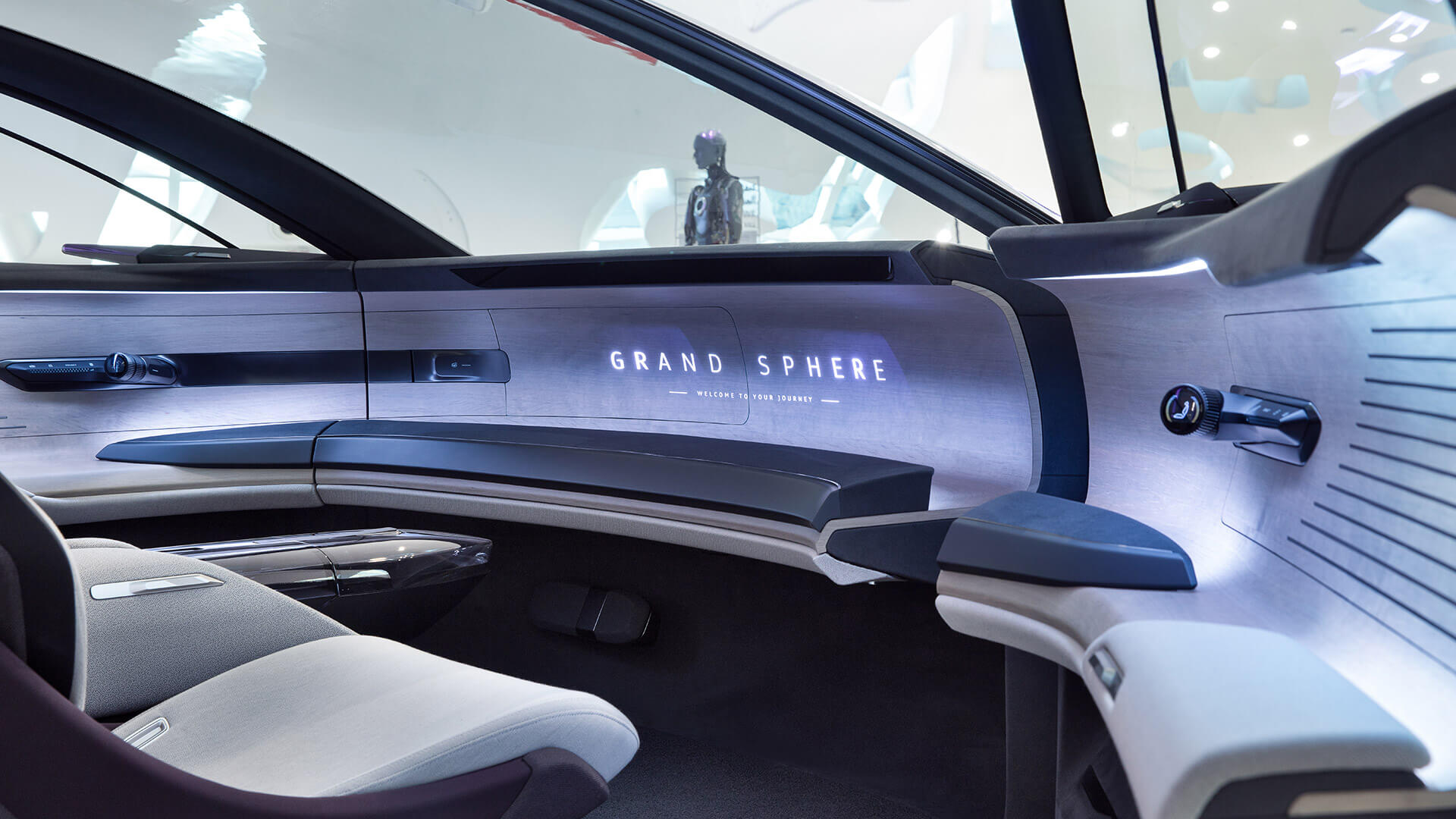
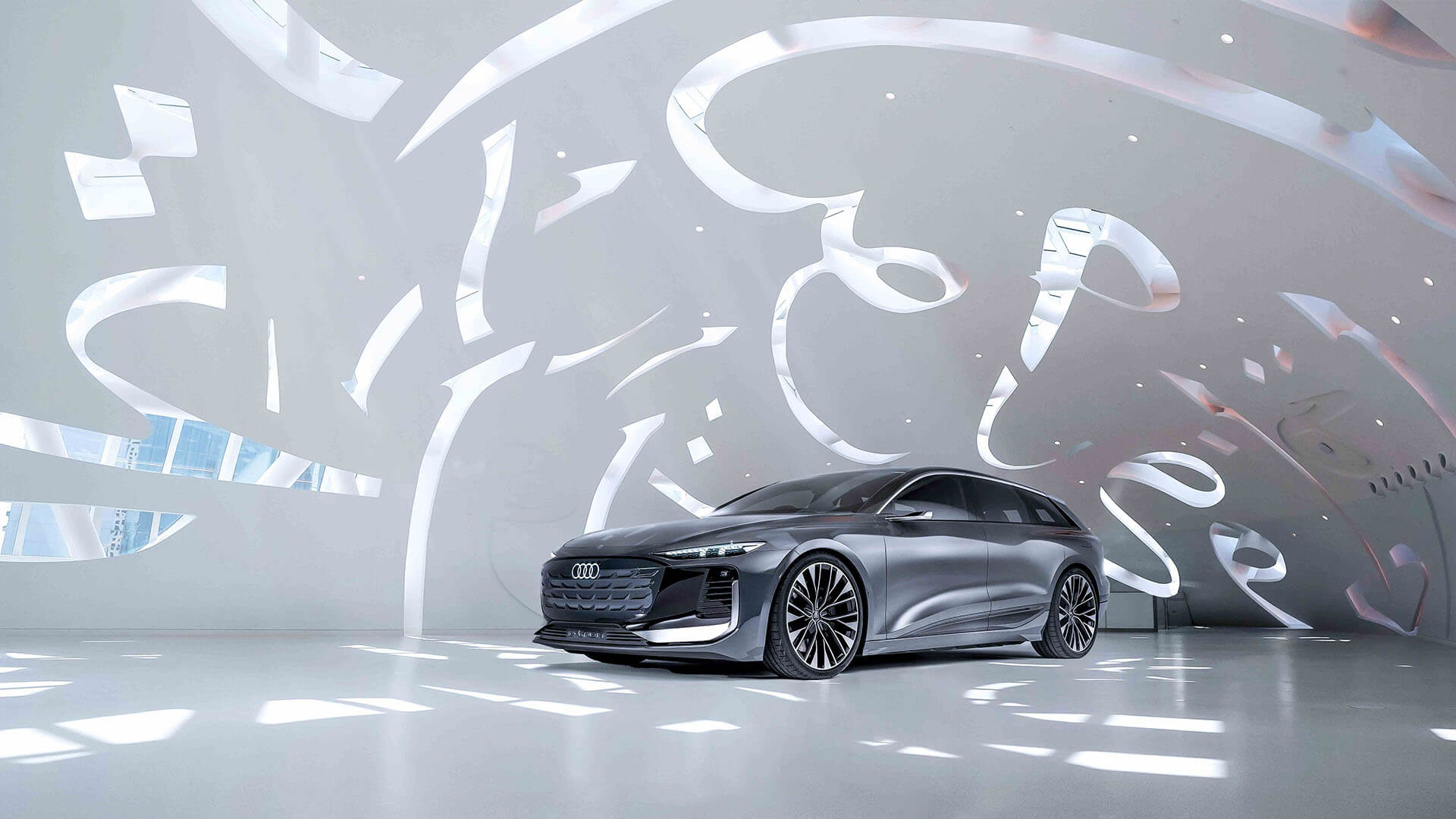
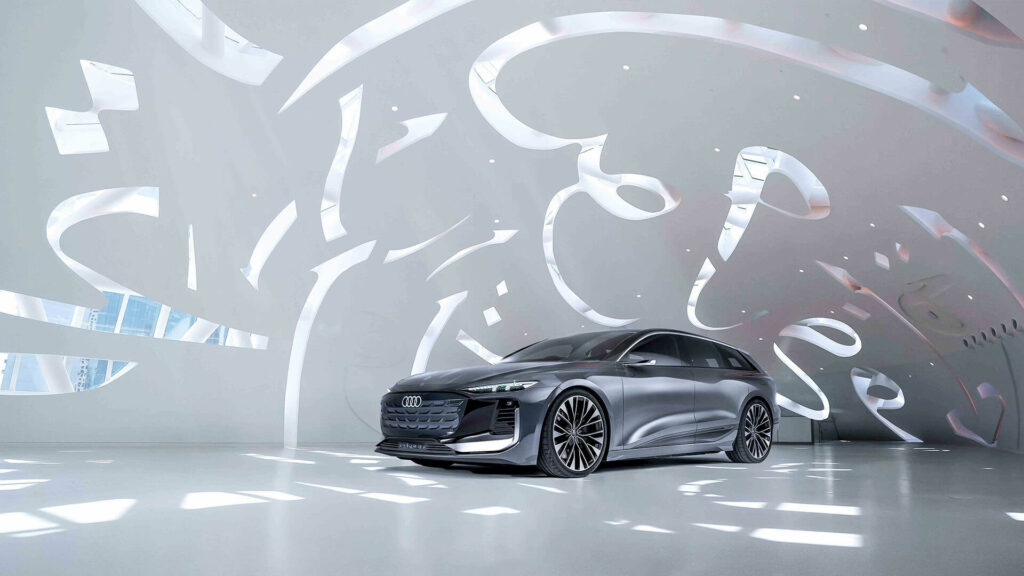
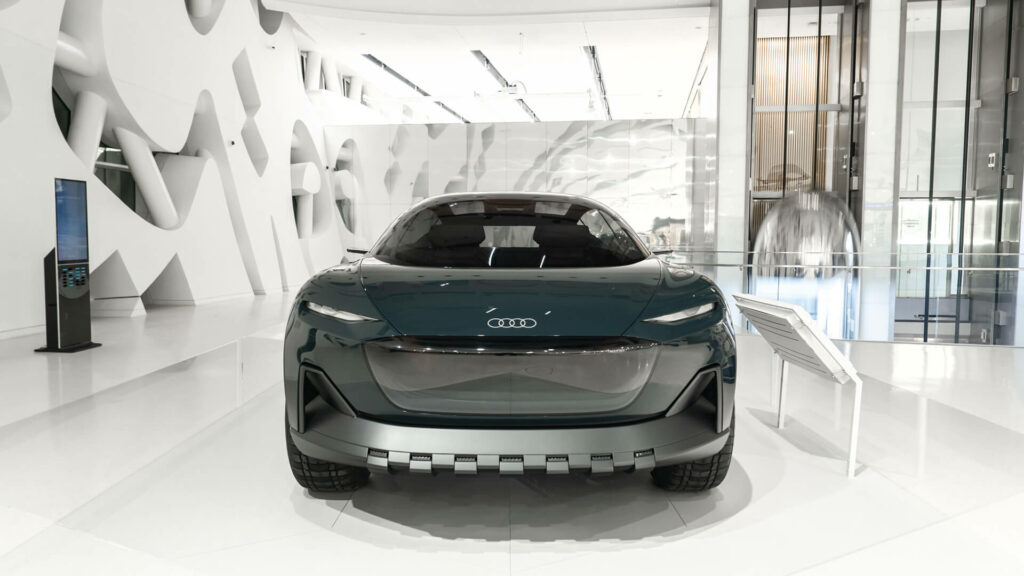
As the partnership developed, the range widened. The AI:ME explored a quieter form of intelligence, embedded within the car rather than placed at its centre. The A6 Avant e-tron concept brought Audi’s electric design language closer to something resolved and buildable. The activesphere introduced a more experimental layer, extending the experience beyond the physical vehicle through digital overlays.
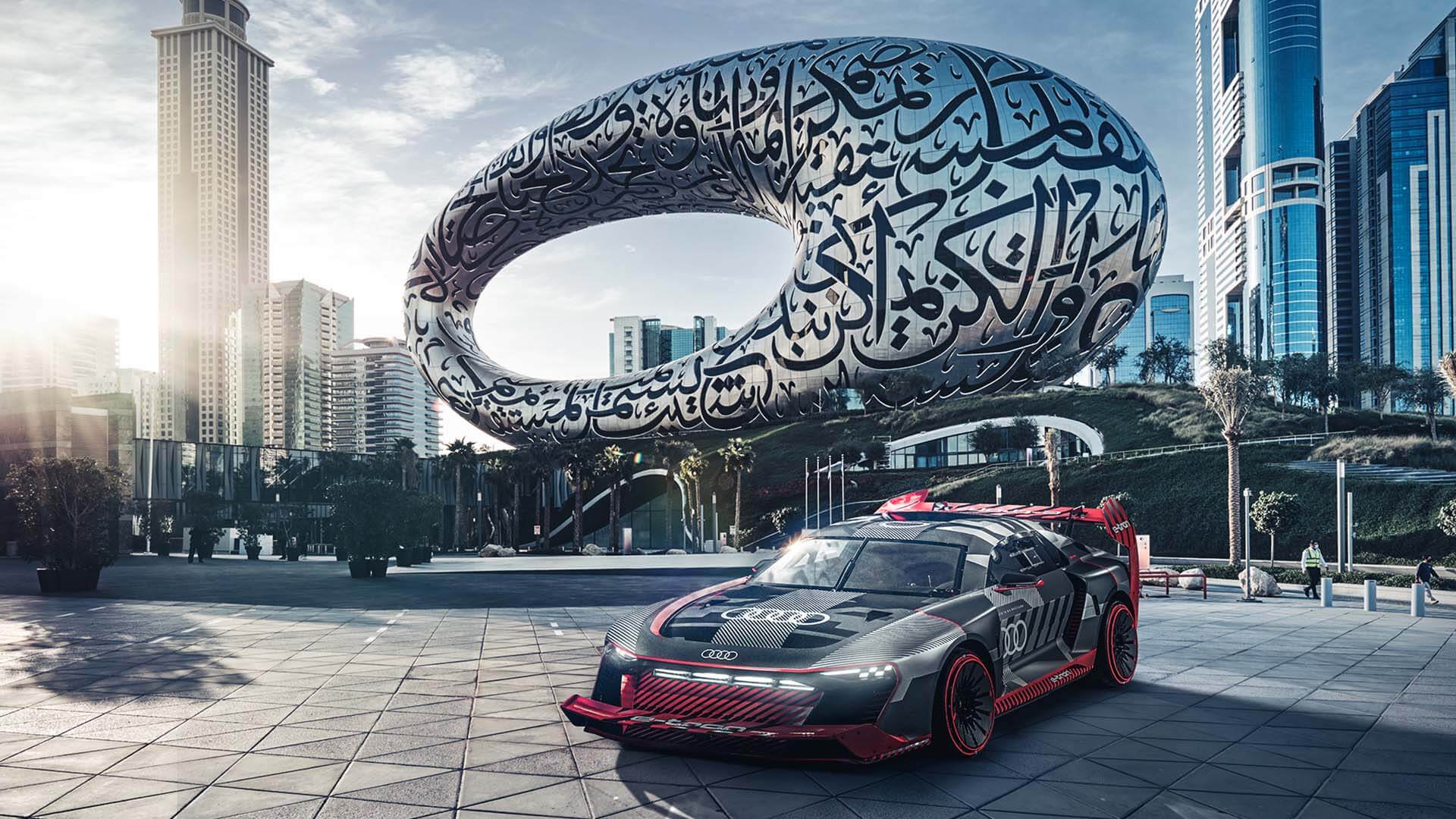
Alongside these, there were moments that carried a different kind of energy. The S1 e-tron quattro Hoonitron arrived with a sense of movement and cultural weight, while the e-tron Vision Gran Turismo bridged the gap between virtual performance and real-world engineering. An autonomous race car, operating without a driver, pushed the conversation further still.
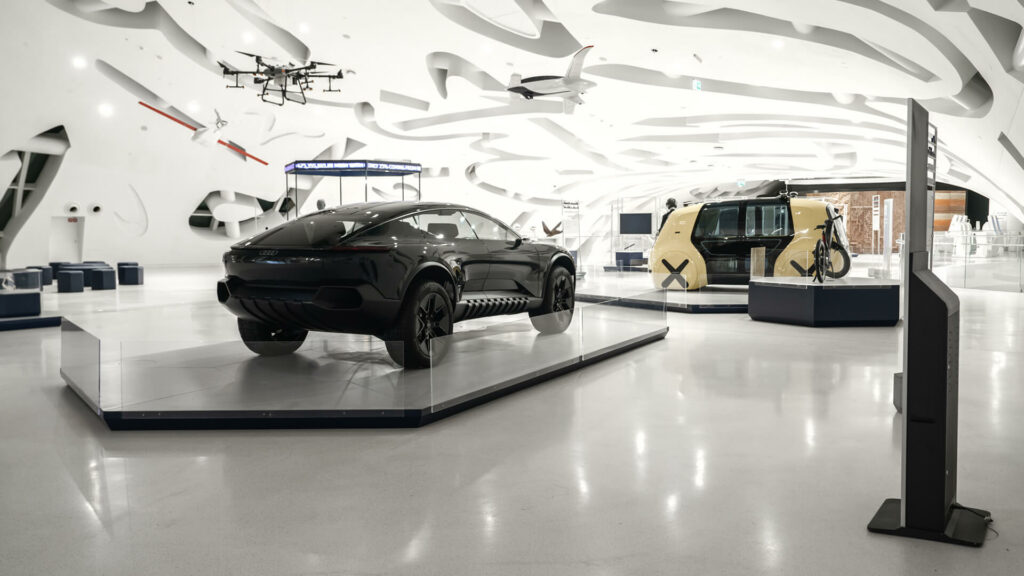
Across the duration of the partnership, more than ten models were displayed at the Museum. They did not sit as a permanent exhibition, but as a sequence that changed with time. For those who returned, the experience shifted with each visit.
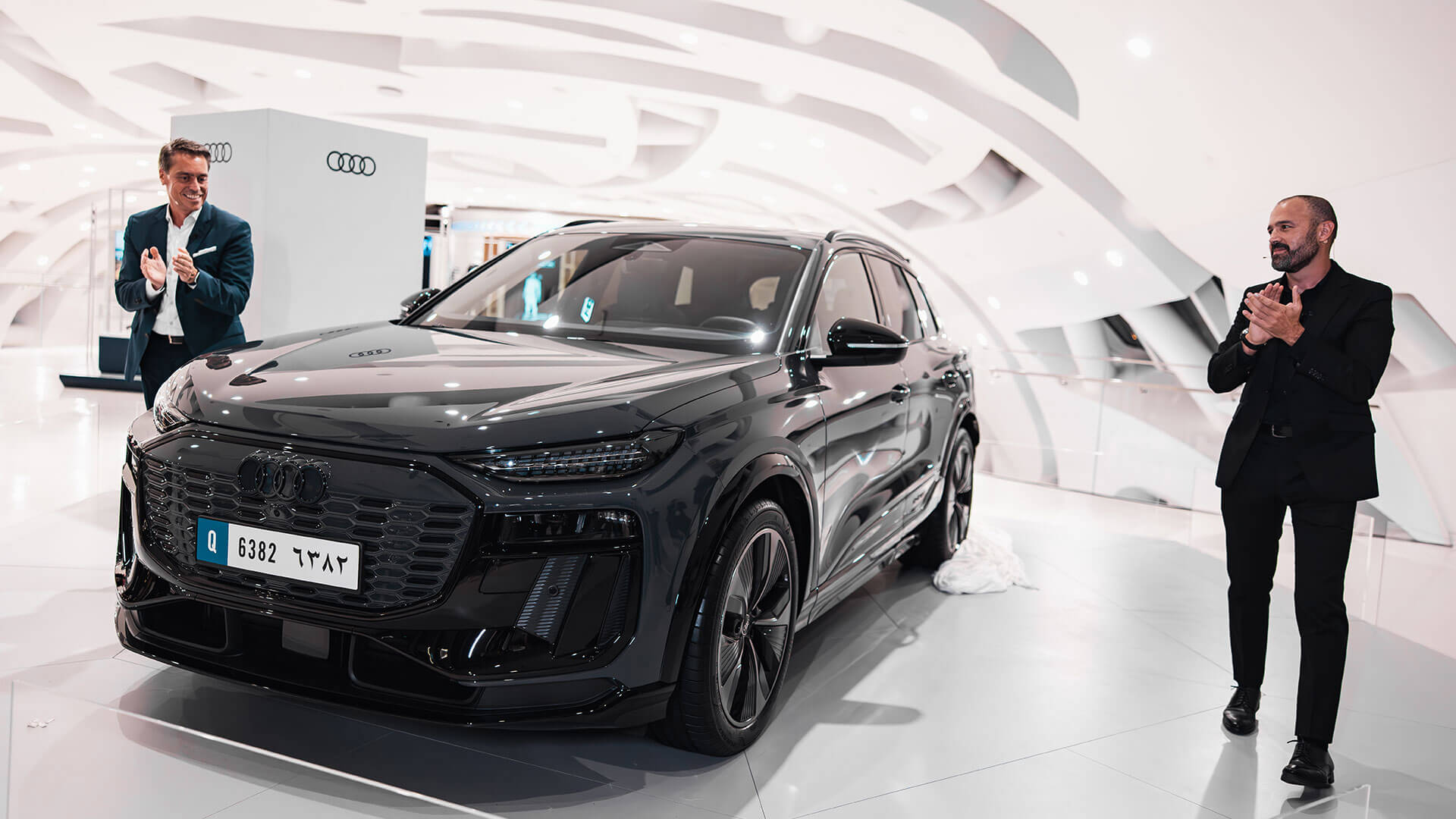
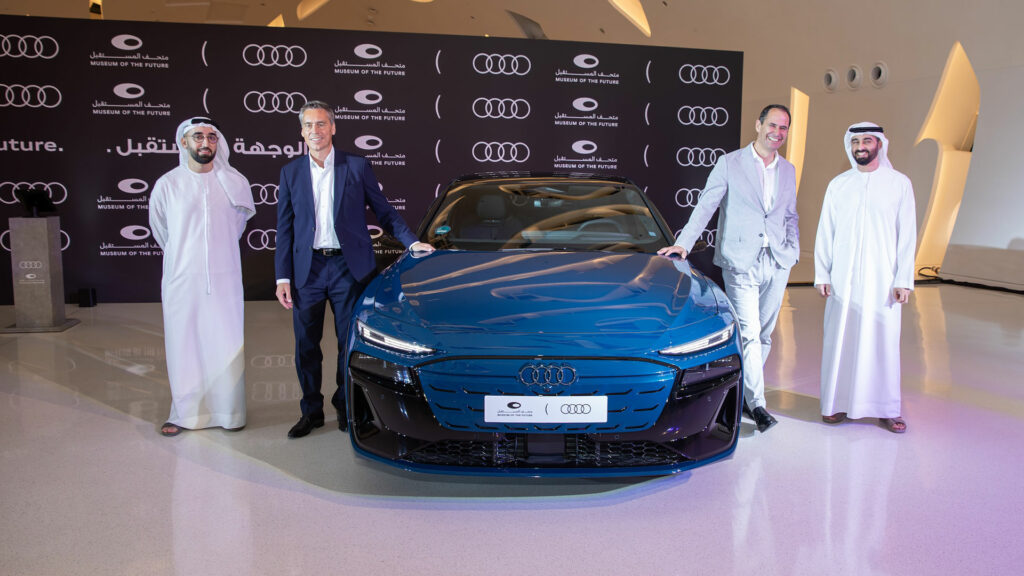
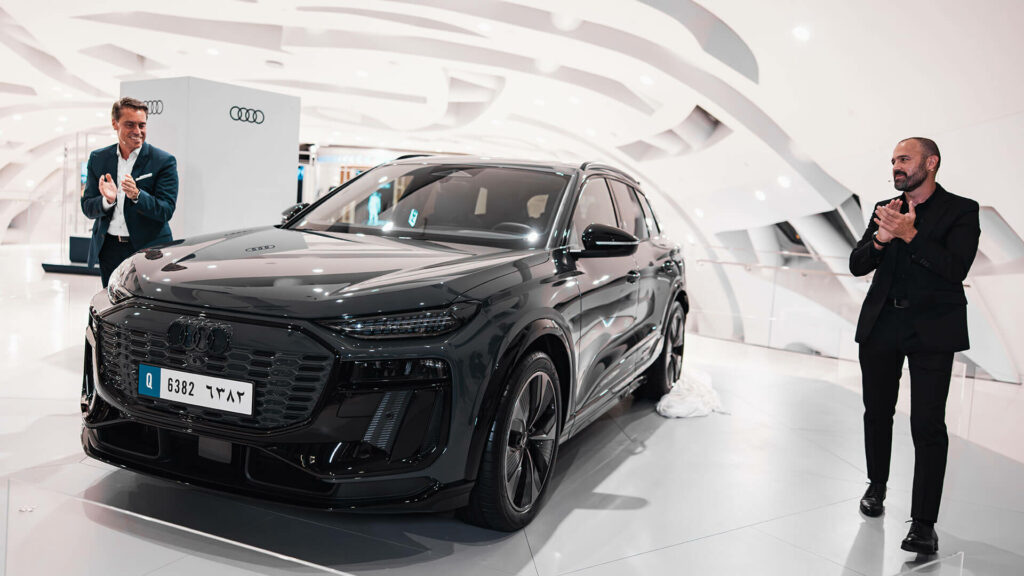
The Museum also became the setting for key regional milestones. The Q6 e-tron was revealed here, marking a move from concept thinking into production reality within the same space that had introduced many of those ideas. The A6 e-tron programme followed a similar path, linking back to earlier concept displays and closing the loop between idea and arrival.
Beyond the vehicles themselves, the partnership carried a practical layer. Audi Middle East installed 21 EV chargers at the Museum, contributing to the city’s growing charging infrastructure and reinforcing the role of electric mobility within everyday life.
Dubai shaped the context for all of this. A city that does not hold ideas at a distance for long. Within that setting, the Museum of the Future offered a place where work in progress could be shown without needing to be final.
When the partnership came to a close in February 2026, it left a sense of continuity behind it. A body of work introduced, revisited, and carried forward over time, shaped as much by the space as by the ideas it held.
Where the City Slowed Down: Audi’s Ramadan at HEAL
A more expressive design, significantly enhanced interior space and advanced digital experience
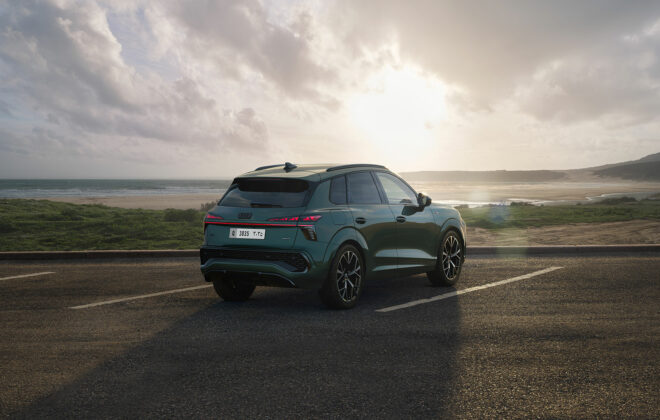
The All-New Audi Q3 premieres in the Middle East
A more expressive design, significantly enhanced interior space and advanced digital experience